The Patient Throughput Optimizer
Re-engineering the clinical capacity model to eliminate wait times without sacrificing care quality.
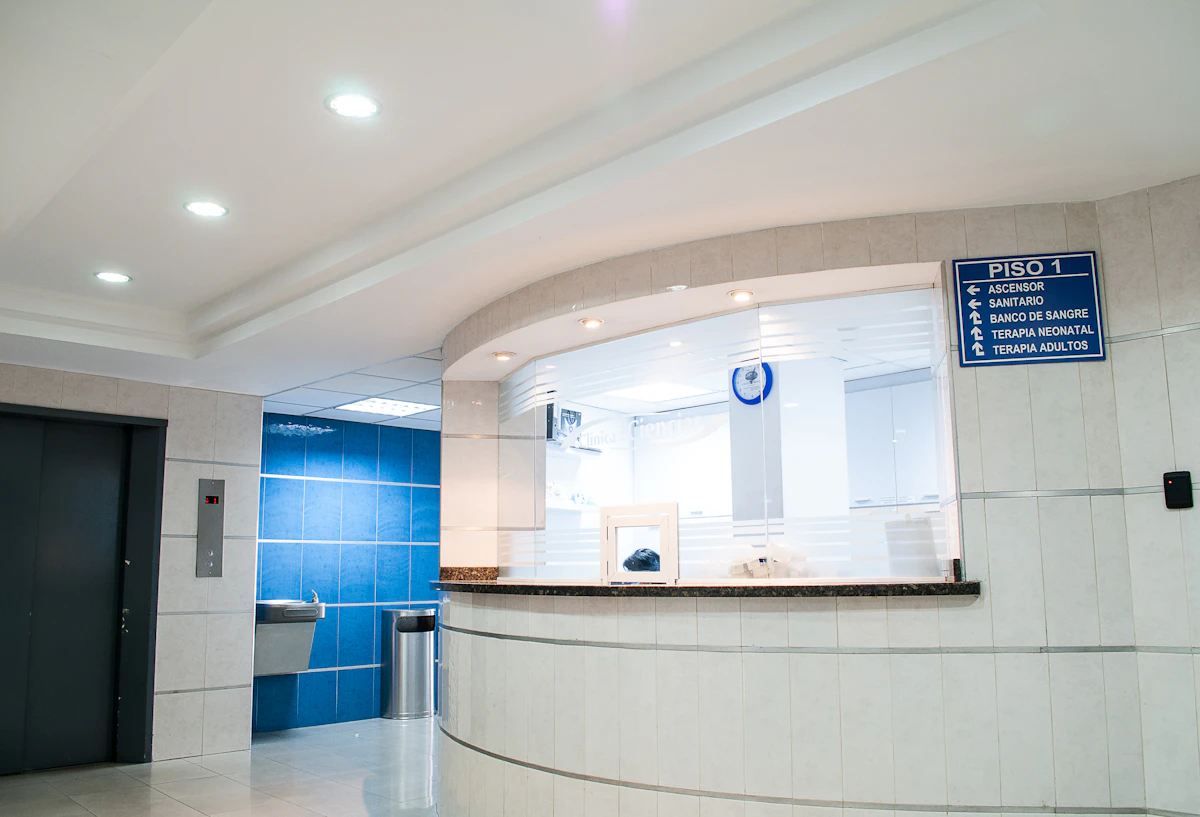
The Bottleneck
The hardest part wasn't the code; it was the hospital staff. Doctors hate changing their schedules and nurses don't trust IT. I had to sit down with them, show them why the old way was broken, and get them to actually trust the new system instead of falling back to paper.
The Architecture
I moved scheduling from fixed time-blocks to a dynamic capacity model. Real-time provider pacing data, digital self-check-in, and automated waitlist triggers let the system adjust to daily variances automatically. The clinical floor stayed at peak utilization without staff burnout.
Execution Levers
Shadowed nurses and clinic managers for weeks before writing a single line of code to understand where the scheduling process was actually breaking.
Built a dynamic scheduling protocol that adapted to real world chaos like late arrivals and emergency add ons.
Rolled the system out slowly floor by floor.
Used the early results to prove to the loudest critics that the system actually saved them time and got them out the door earlier.
Target Impact
Throughput Yield
Wait Time Delta
CSAT Score
Want to Go Deeper?
Every bottleneck is a playbook waiting to happen. If this pattern resonates with a challenge you're facing, I'm always open to a peer conversation.
Start a Conversation